Component snapshots
Diff individual components across states, themes, and viewports on every pull request.
Browserbase runs your visual regression tests on real cloud browsers. Capture consistent screenshots at scale, diff them against your baselines, and catch UI regressions before your users do, on infrastructure running 35m+ sessions a month.
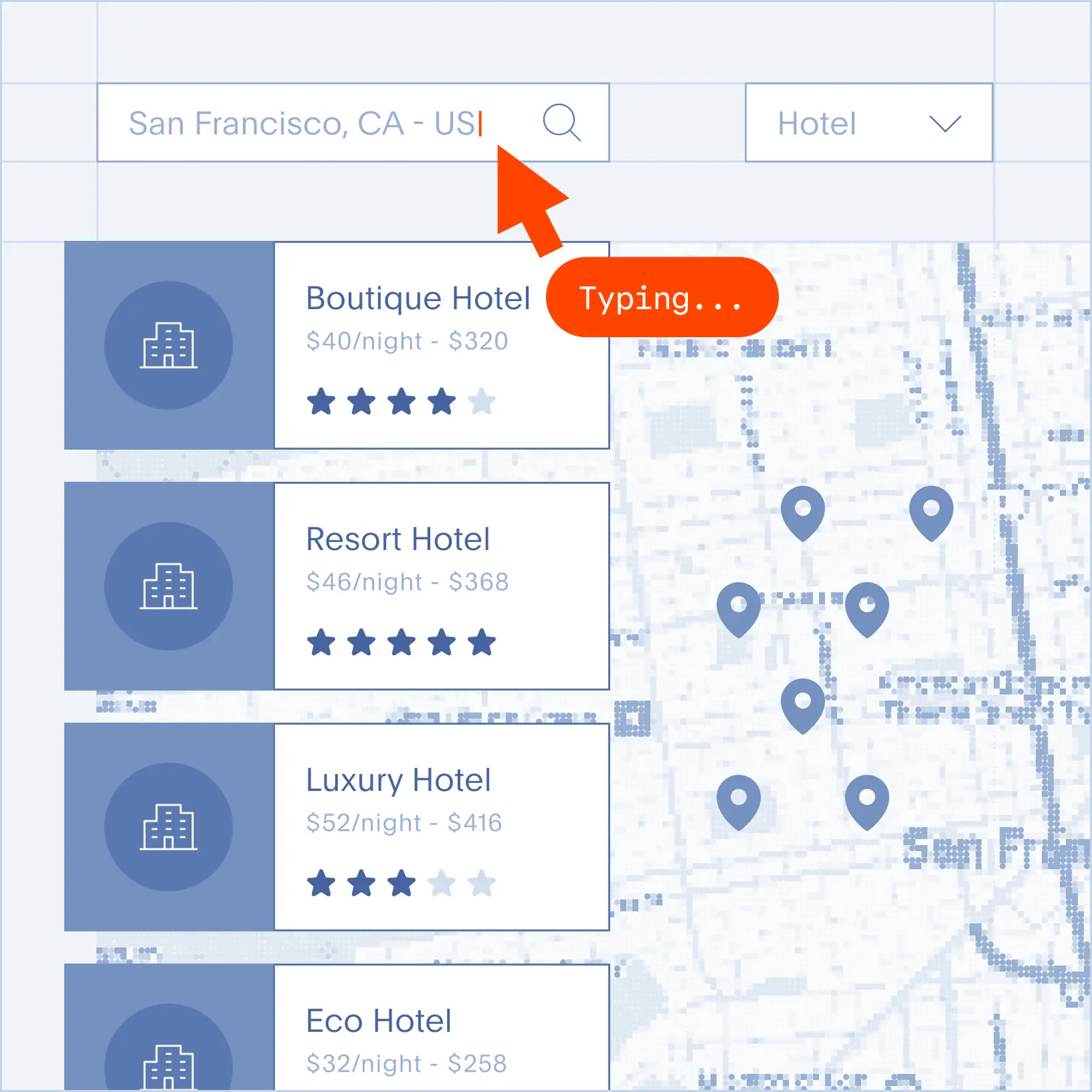
The Problem
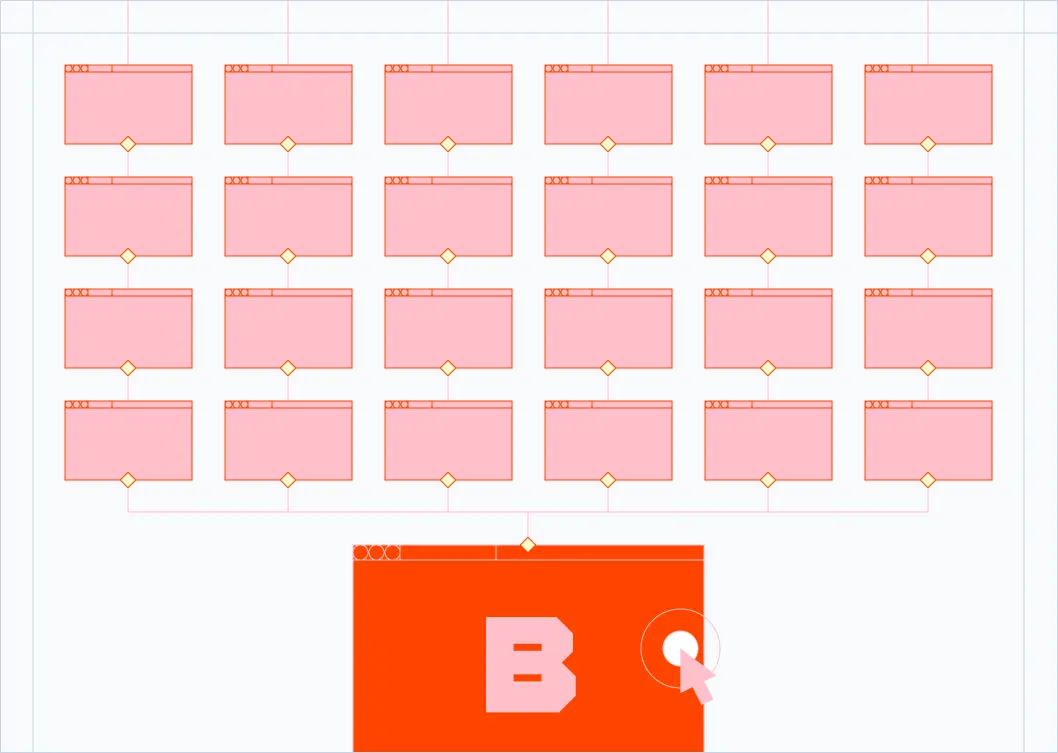
The Solution
Diff individual components across states, themes, and viewports on every pull request.
Capture whole marketing pages and app screens to catch layout shifts before they ship.
Validate that your UI renders correctly on Chromium with isolated, reproducible browsers.
Screenshot the same page at every viewport size to verify responsive layouts hold up.
Visual regression testing captures screenshots of your UI and compares them against known-good baselines to catch unintended visual changes. Instead of asserting that a button exists in code, you assert that the page looks the way it should. Any pixel drift, from a shifted layout to a broken font load, shows up as a diff you can review before it reaches production.
End-to-end tests verify that user flows work: click here, type there, expect this state. Visual regression tests verify that the UI looks right at each step. The two are complementary. E2E catches broken logic, and visual regression catches broken layouts, misaligned elements, style regressions, and rendering issues that functional tests miss entirely.
Playwright, Cypress, and Puppeteer all ship built-in screenshot APIs that pair with diffing libraries like pixelmatch, resemble.js, or Percy-style services. Browserbase works with Playwright, Puppeteer, and Selenium through a standard CDP connection, so you can keep your existing snapshot code and run it on cloud browsers with no rewrite.
Most flakes come from environment drift. Different fonts load, animations run at different speeds, cursors blink at random moments, or the viewport differs by a pixel. Browserbase runs every test on a fresh, isolated browser with consistent versions and settings, so the environment stops being the variable. What is left is real regressions.
Yes. Browserbase exposes a standard Chrome DevTools Protocol endpoint, so you can point your Playwright, Puppeteer, or Selenium scripts at a Browserbase session in a few lines of code. Most teams keep their existing screenshot and diffing logic in place and only swap the browser launch.
Browserbase scales on demand. Free and starter plans support a small pool of concurrent browsers, and Scale plans run hundreds of parallel sessions for full snapshot suites on every pull request. Check the pricing page for current concurrency limits per plan.