Prior authorizations
Log into payer portals, attach clinical documentation, submit requests, and check status, all on the agent’s schedule.
Healthcare AI is held back by systems that were never built for agents. Browserbase gives your agents real cloud browsers that log into EHRs, navigate payer portals, and complete workflows across every disconnected system in the stack, under one API key. SOC-2 Type II certified and HIPAA-ready.
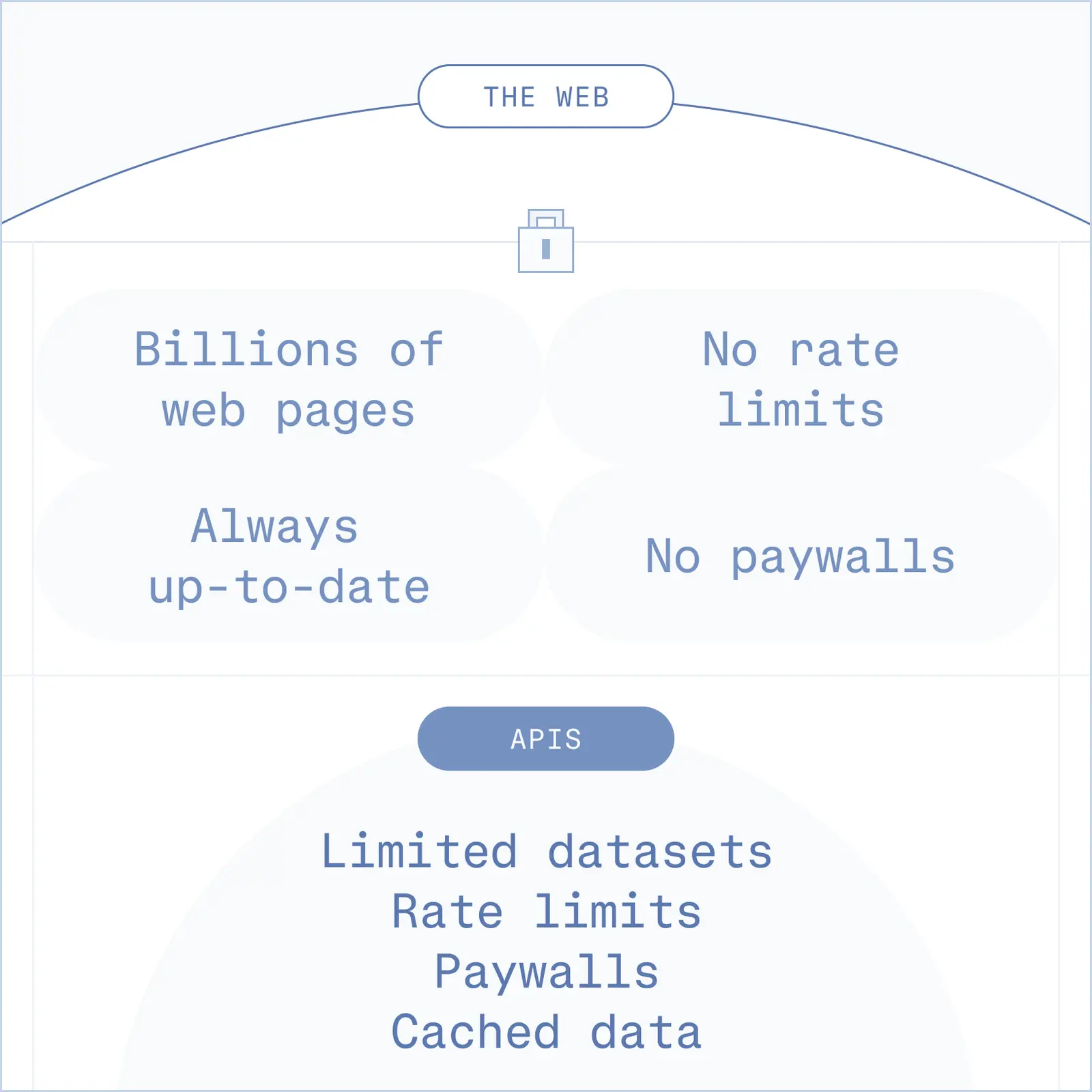
The Problem
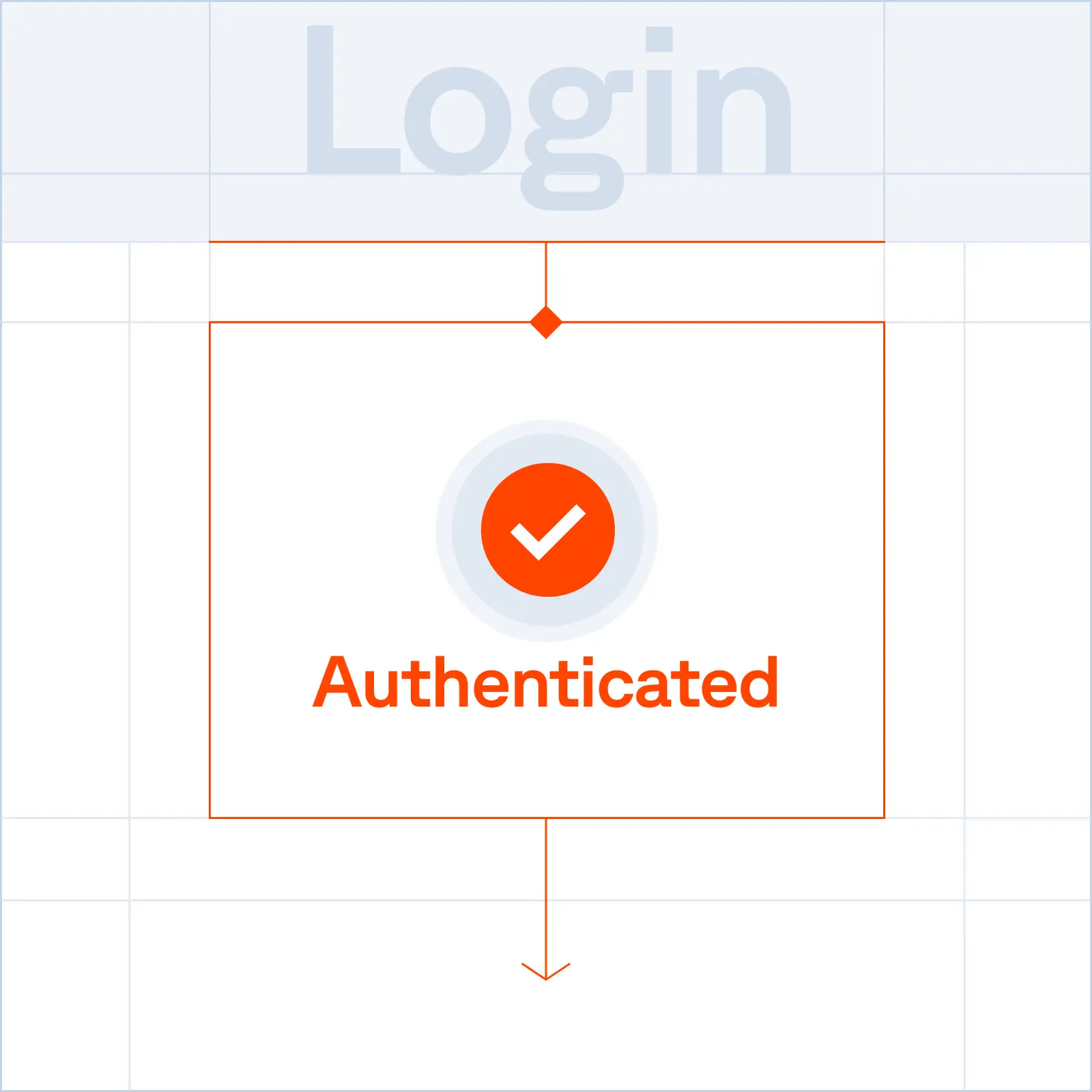
The Solution
Log into payer portals, attach clinical documentation, submit requests, and check status, all on the agent’s schedule.
Read and write across EHRs, charting tools, and clinical platforms that have no public API.
Verify coverage and check claim status across dozens of payers in parallel, without manual portal hopping.
Verify provider licenses, certifications, and enrollment status across state boards and registries.
Browserbase is the browser execution layer. Your agent framework handles reasoning and orchestration, and Browserbase provides the cloud browsers the agent uses to interact with EHRs, payer portals, state licensing boards, and any other healthcare system that lives behind a login. Agents log in, click, type, upload, and download exactly like a human operator would.
Yes. Browserbase is SOC-2 Type II certified and HIPAA-ready. Business Associate Agreements (BAAs) are available for Enterprise plan customers. Browser sessions run in isolated environments with encryption at rest and in transit.
Most healthcare workflows still require touching systems that have no public API, no FHIR endpoint, and no HL7 feed: payer portals, state boards, legacy EHRs, and operational web apps. Browserbase fills that gap. It runs alongside your API and HL7 integrations, handling the steps where the only interface is a browser.
Yes. Persistent cloud sessions retain cookies and session state across runs, so MFA prompts are handled once and remembered. For portals that require MFA on every login, Browserbase supports human-in-the-loop workflows where a team member can approve the MFA step before the agent continues.
Traditional RPA tools rely on brittle screen coordinates and break when portals update their interfaces. Browserbase runs real Chromium browsers with Verified access and AI-powered selectors that adapt when sites change. It also pairs naturally with LLM-based agents, so the agent can reason about what to do next, not just replay a recorded script.
Yes. Browserbase is framework-agnostic. It plugs in under any agent or orchestration platform, including Stagehand, OpenAI Agents, LangGraph, ServiceNow, and UiPath. Your orchestrator decides what the agent should do, and Browserbase provides the browser it uses to do it.
Yes. Browserbase supports parallel browser sessions, so a single agent or fleet of agents can check eligibility, submit prior auths, or verify licenses across many portals at the same time. Each session is fully isolated.